The drip irrigation systems manufacturing sector in India represents a significant opportunity for industrial investors and agricultural technology entrepreneurs. According to data published by IMARC Group, drip irrigation systems manufacturing plant setup in India involves capital investments ranging from INR 5 to 250 crore (1 croce equals with 10M INR), depending on production capacity and facility specifications. This wide range reflects the scalability of the sector, accommodating both small-scale operations and large-scale manufacturing enterprises entering the rapidly growing market for precision irrigation technologies in India.
Capital Investment Range for Drip Irrigation Systems Manufacturing
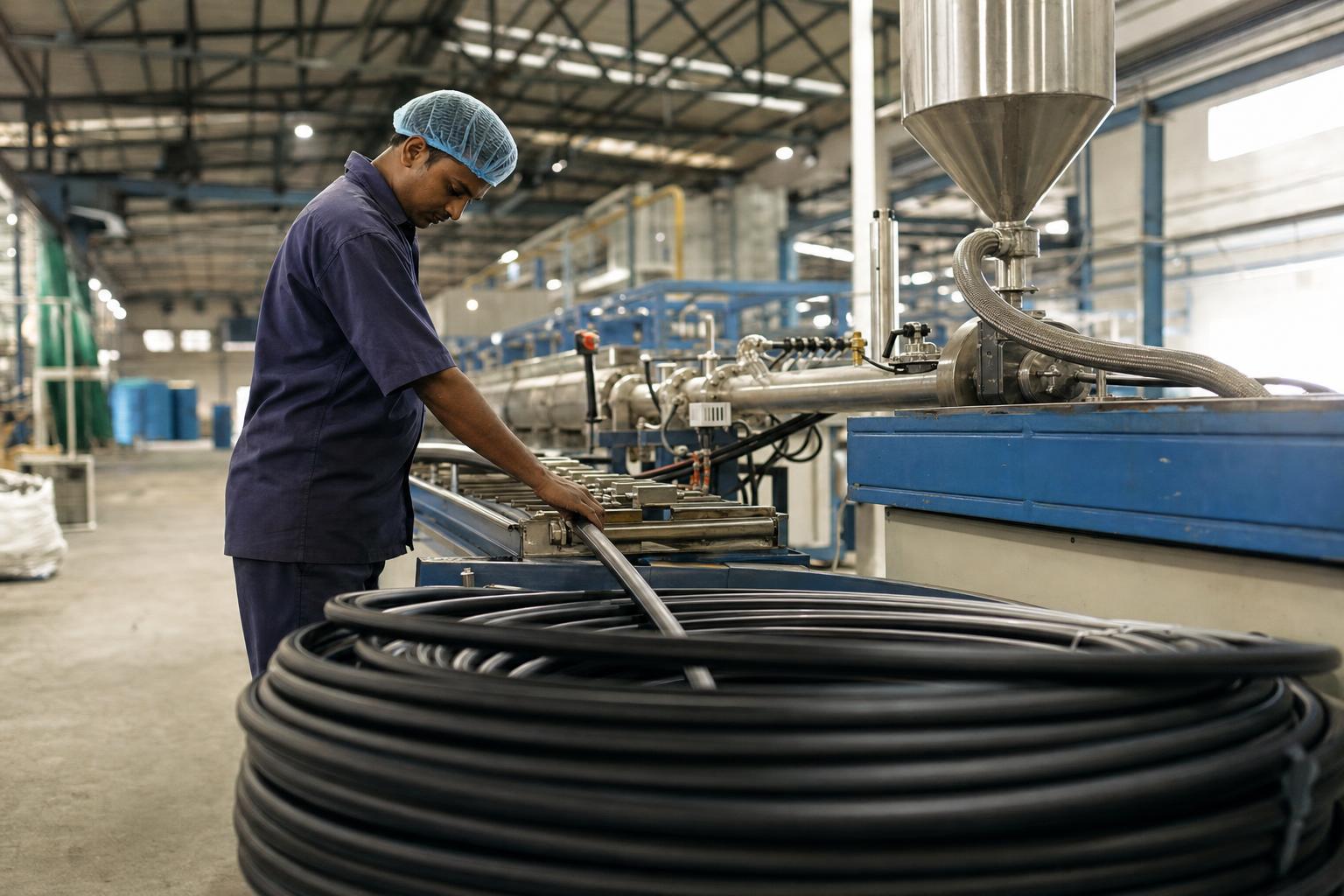
Establishing a drip irrigation systems manufacturing facility in India requires substantial upfront capital investment. The published data indicates that setup costs span from a minimum of INR 5 crore to a maximum of INR 250 crore. This broad investment range demonstrates the flexibility available to entrepreneurs and investors, allowing them to enter the market at different operational scales.
The lower end of the investment spectrum (INR 5 crore) typically supports smaller manufacturing operations that may focus on specific product lines or serve regional markets. Mid-range investments (INR 25–100 crore) generally enable facilities with moderate production capacity and broader geographic reach. The upper tier (INR 150–250 crore) facilitates large-scale, fully integrated manufacturing plants with advanced automation, diverse product portfolios, and capacity to supply national and international markets.
Profitability and Margin Performance
Net profit margins in drip irrigation systems manufacturing in India are projected at 12–20%, indicating a sustainable and moderately profitable business model. These margins reflect the balance between raw material costs, labor expenses, manufacturing overhead, and market pricing for drip irrigation components and systems. The 12–20% net margin range suggests that operators can maintain healthy profitability while remaining competitive in an increasingly developed market for agricultural technology.
These margin levels are influenced by several factors, including production efficiency, capacity utilization, supply chain management, and product quality standards. Manufacturers operating at higher capacity utilization and with optimized production processes tend to achieve margins in the upper range of this spectrum, while smaller or newer facilities may initially operate closer to the 12% threshold as they establish market presence and operational efficiency.
Return on Investment and Internal Rate of Return
The Internal Rate of Return (IRR) for drip irrigation systems manufacturing plants in India is estimated between 18–25%, representing attractive returns for capital invested in the sector. The IRR metric indicates the annualized rate of return generated by the investment after accounting for all operating costs, capital expenditures, and working capital requirements throughout the plant’s operational lifecycle.
An IRR in the 18–25% range is considered competitive compared to many industrial manufacturing sectors and demonstrates the financial viability of drip irrigation systems production facilities. This return profile reflects strong demand for drip irrigation technologies in India’s agricultural sector, coupled with favorable market dynamics and operational profitability margins discussed above. Different facility scales and operational efficiencies may result in returns within this range, with well-optimized large-scale plants potentially achieving returns toward the higher end.
Payback Period and Capital Recovery Timeline
The payback period for drip irrigation systems manufacturing plant investments in India ranges from 3 to 5 years. This metric indicates the timeframe required for cumulative net cash flows from operations to recover the initial capital investment. A payback period of 3–5 years is considered reasonable for capital-intensive manufacturing operations, especially in the agricultural technology sector where demand cycles and market conditions can affect performance.
A shorter payback period (3 years) is achievable for facilities that achieve optimal capacity utilization quickly, benefit from strong initial market demand, and operate with high production efficiency. Conversely, newer facilities requiring a longer market establishment period or those starting operations during market cycles with softer demand may experience payback timelines extending toward the 5-year threshold. Once capital is recovered, subsequent years generate pure operational profit, significantly enhancing the long-term return profile of the investment.
Market Context for Drip Irrigation Systems Manufacturing in India
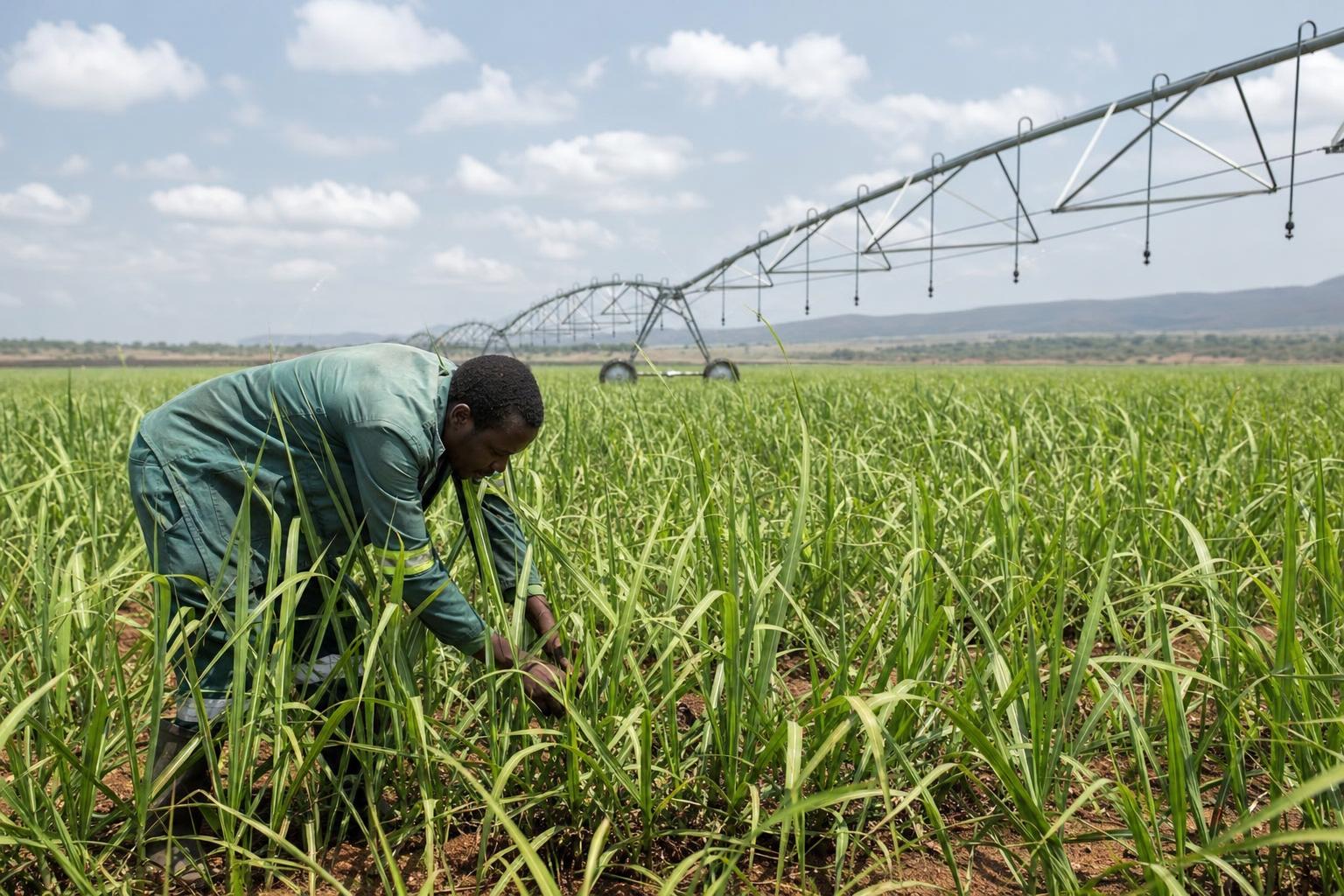
India’s agricultural sector represents one of the world’s largest markets for irrigation technology and drip irrigation systems. The country’s diverse climate zones, water availability challenges, and growing emphasis on efficient water management create sustained demand for drip irrigation equipment and components. These market fundamentals support the financial projections outlined above and provide confidence in the long-term viability of manufacturing operations in this sector.
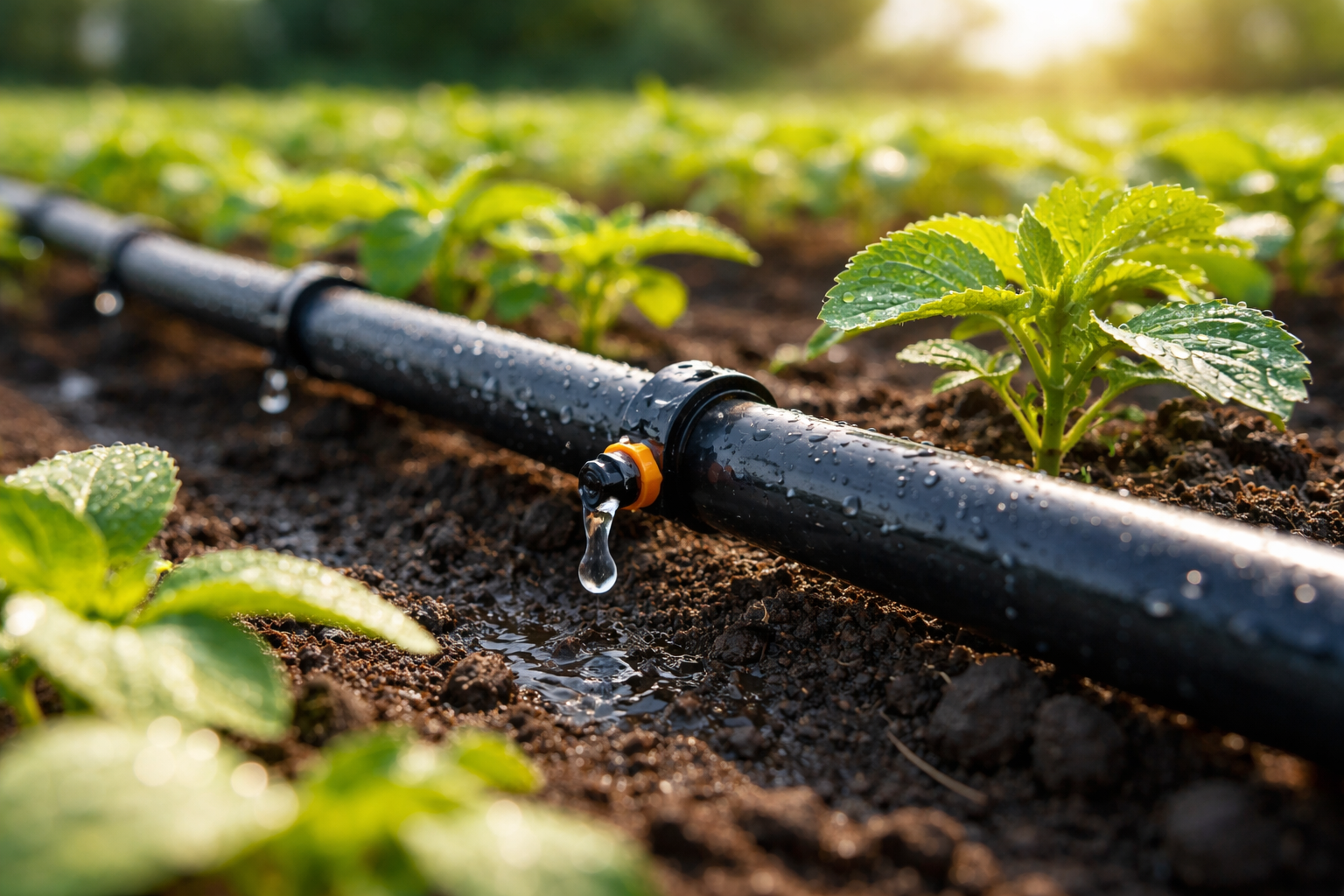
Drip irrigation technology improves crop yields, reduces water consumption, and enables precise nutrient delivery, aligning with India’s agricultural modernization objectives and environmental sustainability goals. As government policies continue supporting precision agriculture adoption and farmers increasingly recognize the productivity benefits of drip systems, demand for locally manufactured equipment remains robust.
Investment Considerations and Data Source
The financial metrics for drip irrigation systems manufacturing plant setup in India—including the INR 5–250 crore investment range, 12–20% net margins, 18–25% IRR, and 3–5 year payback period—are documented by IMARC Group, a market research and consulting organization specializing in industrial and manufacturing sector analysis.
Investors evaluating entry into drip irrigation systems manufacturing should conduct comprehensive feasibility studies accounting for their specific operational model, target market geography, product specifications, and local cost structures. While the published range provides a useful reference framework, actual investment requirements and financial outcomes will vary based on facility design choices, technology adoption, production scale, and market positioning strategies.
Conclusion
The financial profile of drip irrigation systems manufacturing plant setup in India—featuring a INR 5–250 crore investment range, 12–20% net profit margins, 18–25% internal rates of return, and 3–5 year capital recovery periods—demonstrates the economic viability and attractiveness of this manufacturing sector. For entrepreneurs and investors seeking opportunities in agricultural technology and precision irrigation equipment, these financial indicators suggest a stable, profitable business model with reasonable capital deployment and return timelines. The scalability of investment options and the favorable profitability metrics reflect both the maturity of the sector and the underlying strength of India’s agricultural market demand for efficient irrigation technologies.