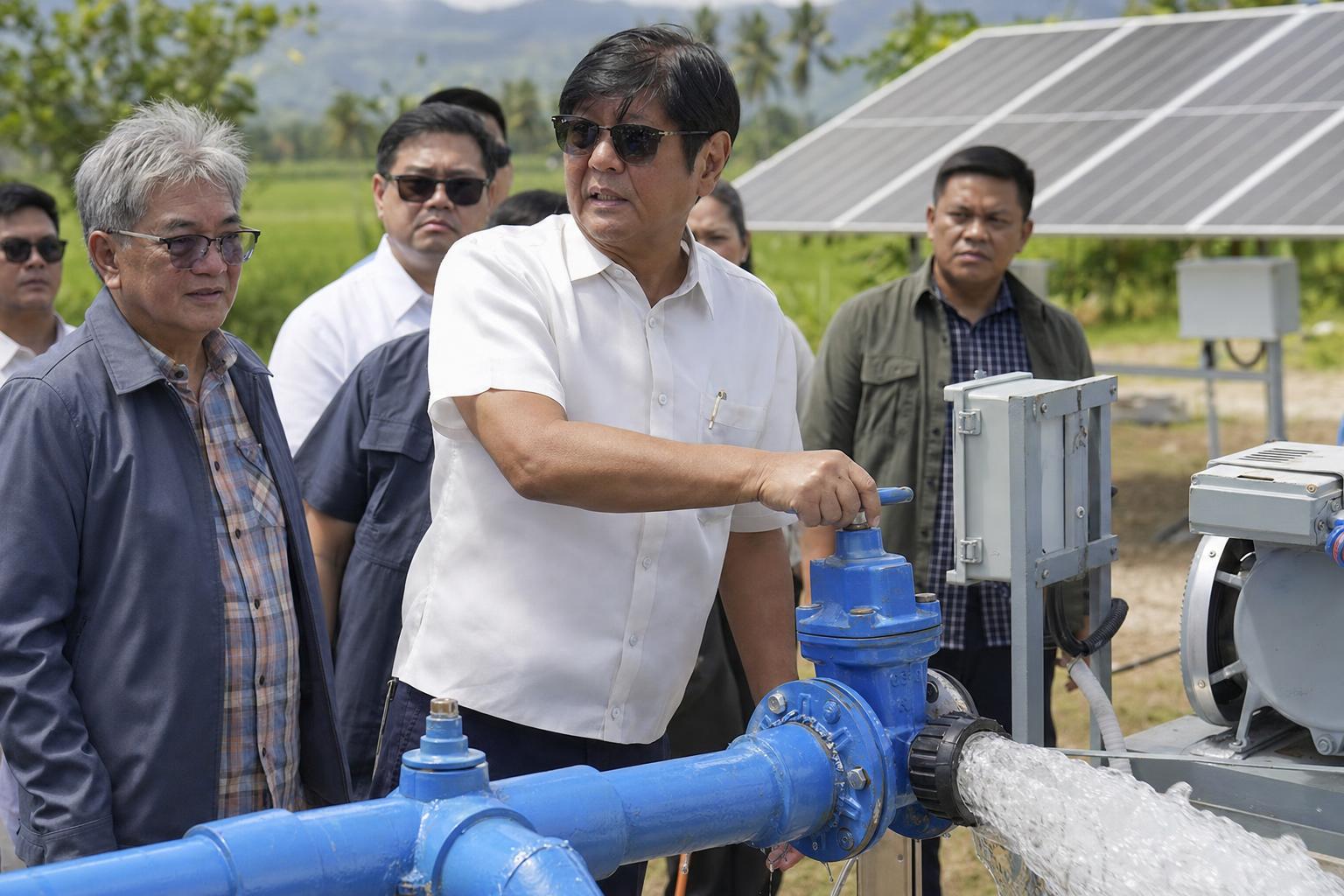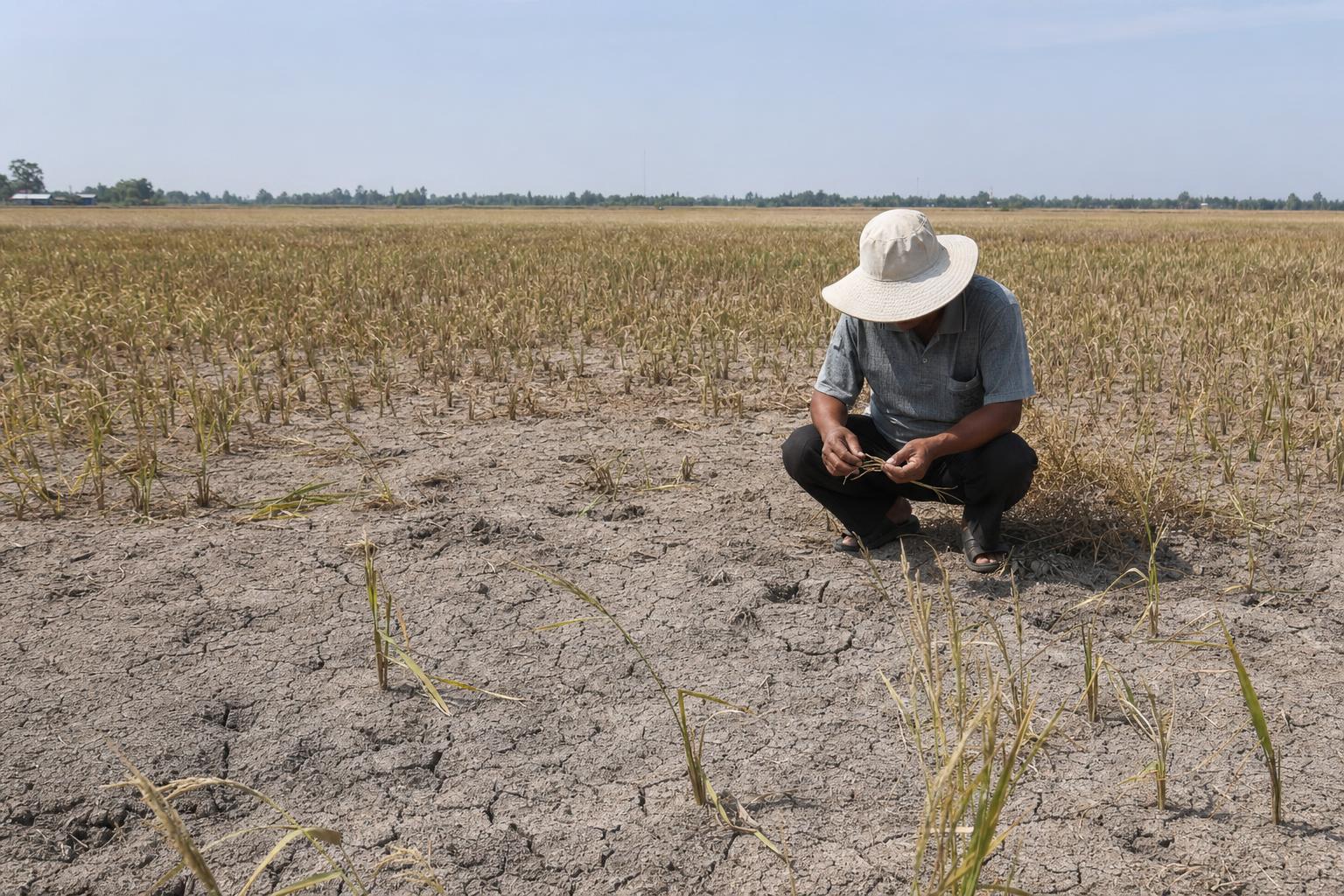
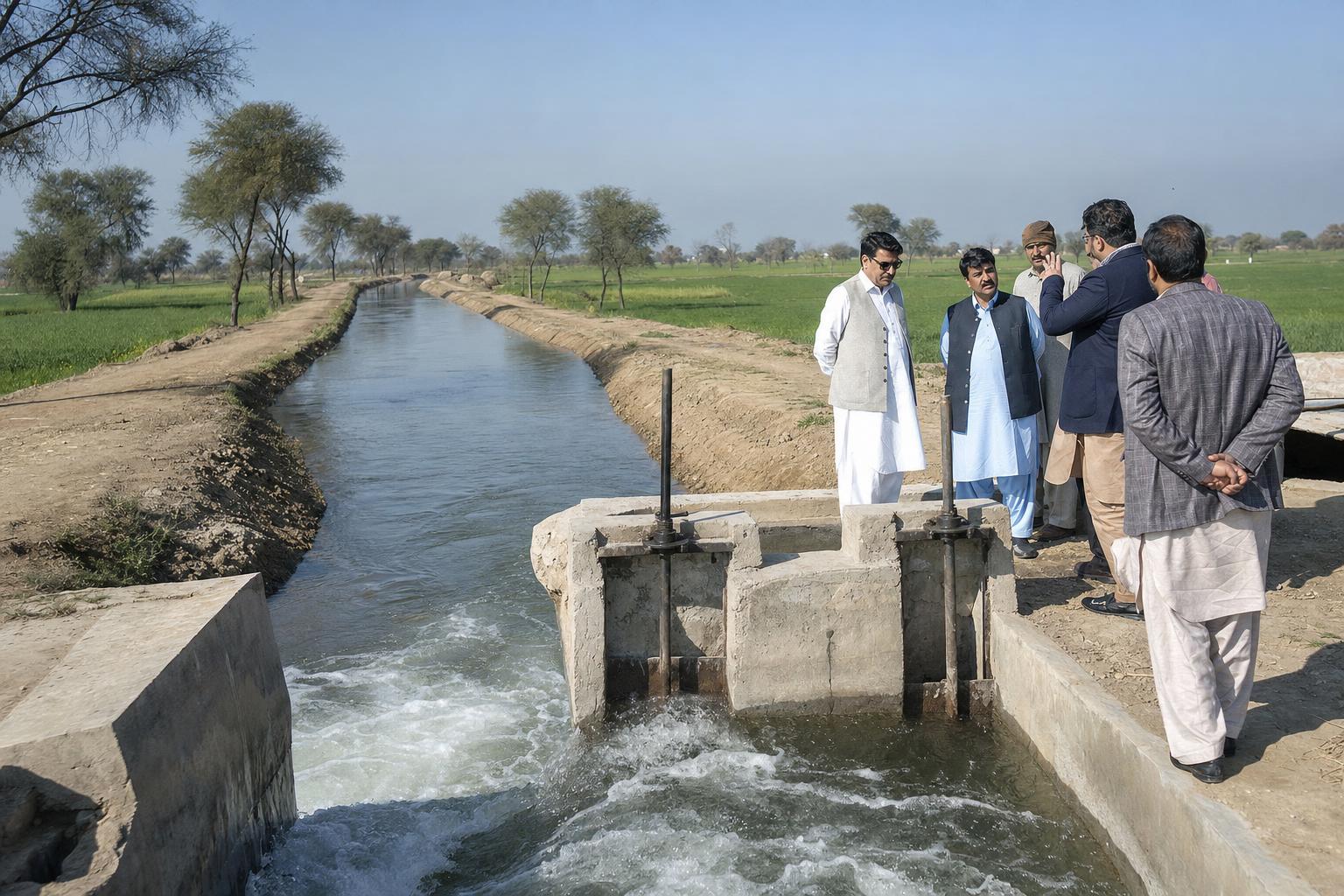
The government of Nepal has significantly accelerated the implementation of major irrigation projects across the country, expanding irrigation coverage to thousands of additional hectares of farmland and advancing critical flood-control infrastructure over a six-month period ending October 2026. According to the Ministry of Energy, Water Resources and Irrigation, irrigation facilities have been expanded to an additional 3,815 hectares of farmland under major irrigation projects since the formation of the current government, representing a substantial investment in agricultural water management and infrastructure development throughout Nepal.
Acceleration of Major Irrigation Projects in Nepal
The Ministry of Energy, Water Resources and Irrigation reported that irrigation coverage has increased dramatically across five major projects. The Babai Irrigation Project achieved an expansion of 600 hectares following receipt of a resource commitment amounting to Rs. 4.07 billion from the Ministry of Finance. Construction activities have advanced through contract management, specifically including the construction of branch canals and infrastructure under the Western Canal System and the development and expansion of the irrigated area under the Eastern Canal System.
The Sikta Irrigation Project received resource consent worth Rs. 5.23 billion. Of the 27 tenders invited, 11 contracts have been signed and construction has commenced, while the remaining 16 contracts are undergoing the contract-award process. Approximately 13 kilometres of canals have been constructed during the six-month period, according to Ministry data. This project has delivered irrigation coverage expansion of 1,300 hectares of farmland.
Progress on Secondary Irrigation Infrastructure
The Badkapath Irrigation Project has received resource consent worth Rs. 1.05 billion, with construction underway to complete the project within the next two fiscal years, by fiscal year 2027/28. The project has already extended irrigation services to 610 hectares of farmland in its service area.
For the Mahakali Irrigation Project, the largest in terms of hectares added, resource consent worth Rs. 3.31 billion has been secured. Construction contracts have been managed for nine kilometres of main and branch canals and associated structures. This project alone has expanded irrigation coverage by 1,155 hectares, representing nearly one-third of the total expansion achieved during the reporting period.
Rani Jamara Kulariya and Multipurpose Diversion Projects
The Rani Jamara Kulariya Irrigation Project has progressed with multiple construction packages. Contracts worth Rs. 961.2 million have been signed for the remaining works on the Lamki extension canal and structures, including branch canal LS-05. An additional contract worth Rs. 2.5 billion has been signed for the Patharaiya extension canal and associated structures, which will serve the extended irrigation area and provide year-round water management.
The project has issued letters of intent for two contracts estimated at Rs. 1.40 billion for protecting irrigated areas along the Patharaiya, Kandra and Kanda rivers. Six additional tenders estimated at Rs. 1.06 billion are under evaluation for canal modernisation, protection of irrigated areas along the right bank of the Karnali River, and feeder canal construction and maintenance.
The Sunkoshi Marin Diversion Multipurpose Project has invited fresh bids for its civil construction works after the previous contract was terminated. The bids are currently under evaluation. An additional 0.4 kilometres of embankment and 10 spurs have been completed for the control of the Marin River, demonstrating progress on flood-control infrastructure.
For the Bheri Babai Diversion Multipurpose Project located in Surkhet, an integrated work schedule has been prepared by coordinating civil, hydro-mechanical and electro-mechanical contractors. The project is targeted for completion by fiscal year 2028/29. The government has established work schedules to complete the Babai Irrigation Project and the Bheri-Babai Diversion Multipurpose Project within the next two fiscal years.
Flood Control and River Management Programs
Beyond irrigation expansion, the Ministry of Energy has advanced flood and river-control programmes across Nepal. A total of 44 contracts worth an estimated Rs. 1.35 billion have been invited through various irrigation and water-resource projects for managing river-related disasters. Across six national pride projects under the Department of Water Resources and Irrigation, 12 contracts worth a combined estimated Rs. 22.73 billion have been invited for implementation.
The department has also prepared draft norms for the operation of irrigation canals through a task force formed for the purpose, establishing standardized management protocols for the expanded network of irrigation infrastructure.
Operational Improvements and Technology Integration
At present, irrigation schemes operated under joint management provide regular irrigation services to approximately 233,000 hectares of cultivable land across Nepal. The Ministry has implemented modern monitoring systems to enhance operational efficiency. Telemetry technology has been installed in the Rani Jamara Kulariya and Rajapur irrigation systems to enable real-time monitoring of water discharge, improving water management and distribution to farmers.
An asset management plan for the eastern Babai irrigation system has also been prepared and is being implemented, ensuring sustainable long-term operation and maintenance of this critical infrastructure.
Jamuni System and Future Expansion Plans
Construction of the barrage gates under the Jamuni Irrigation System is nearing completion. Once completed, the system is expected to provide year-round irrigation facilities to farmers in eastern Bara and western Rautahat, extending water availability beyond seasonal patterns.
The Department is also conducting feasibility studies and preparing environmental assessments for expanding irrigation services in the Deukhuri Valley. Planned schemes include the Dangali Chhap rehabilitation and Rajpur-Bela irrigation schemes, which are intended to serve an additional 4,400 hectares of farmland. These future projects represent the next phase of agricultural water infrastructure development following the current acceleration of irrigation projects.
Conclusion
Nepal’s government has demonstrated substantial commitment to expanding irrigation infrastructure through aggressive project acceleration and significant financial investment. With 3,815 hectares of new irrigation coverage already achieved and billions in resource commitments secured from the Ministry of Finance, the major irrigation projects represent a comprehensive strategy to enhance agricultural productivity and water security across Nepal. The combination of canal construction, technological modernization, and flood-control advancement indicates a multifaceted approach to water resource management that extends beyond simple coverage expansion to include long-term sustainability and operational excellence.