The Philippines continues to advance its commitment to sustainable agriculture and renewable energy infrastructure with innovative projects that address both food security and environmental concerns. Solar-powered irrigation represents a strategic intersection of these priorities, offering farmers a reliable, cost-effective solution to water management challenges while reducing dependence on fossil fuels. A significant milestone in this direction occurred with the inauguration of a substantial solar irrigation facility, marking progress toward modernizing agricultural practices across the archipelago.
A Major Infrastructure Investment in Kananga, Leyte
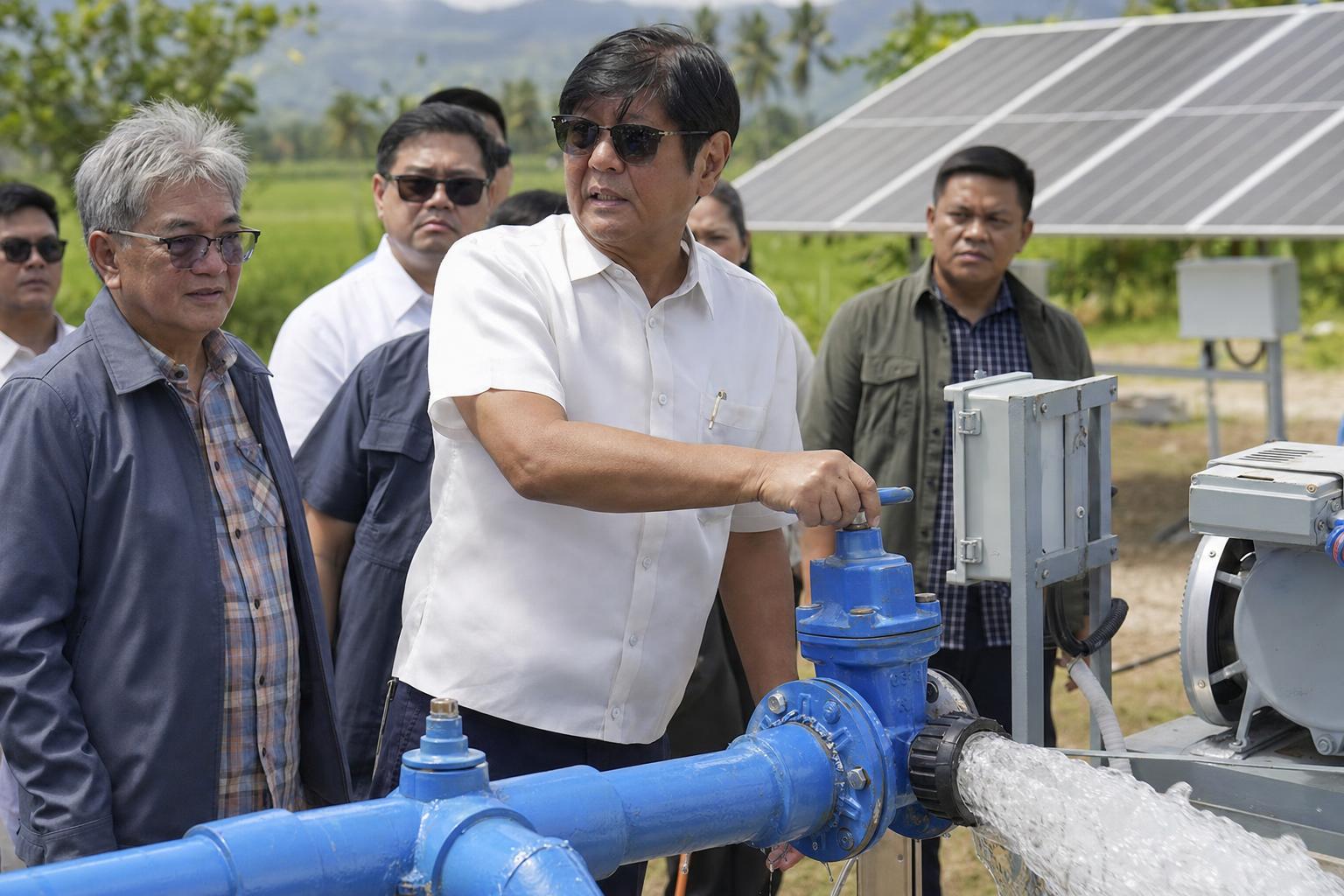
President Ferdinand Marcos Jr. officially inaugurated a P91-million solar-powered irrigation system in Kananga, Leyte, underscoring the administration’s focus on agricultural development and clean energy adoption. This capital investment reflects a broader strategy to equip farming communities with technology that enhances productivity while supporting climate resilience objectives. The project demonstrates how government initiatives can directly benefit rural economies by providing farmers with essential resources for year-round cultivation.
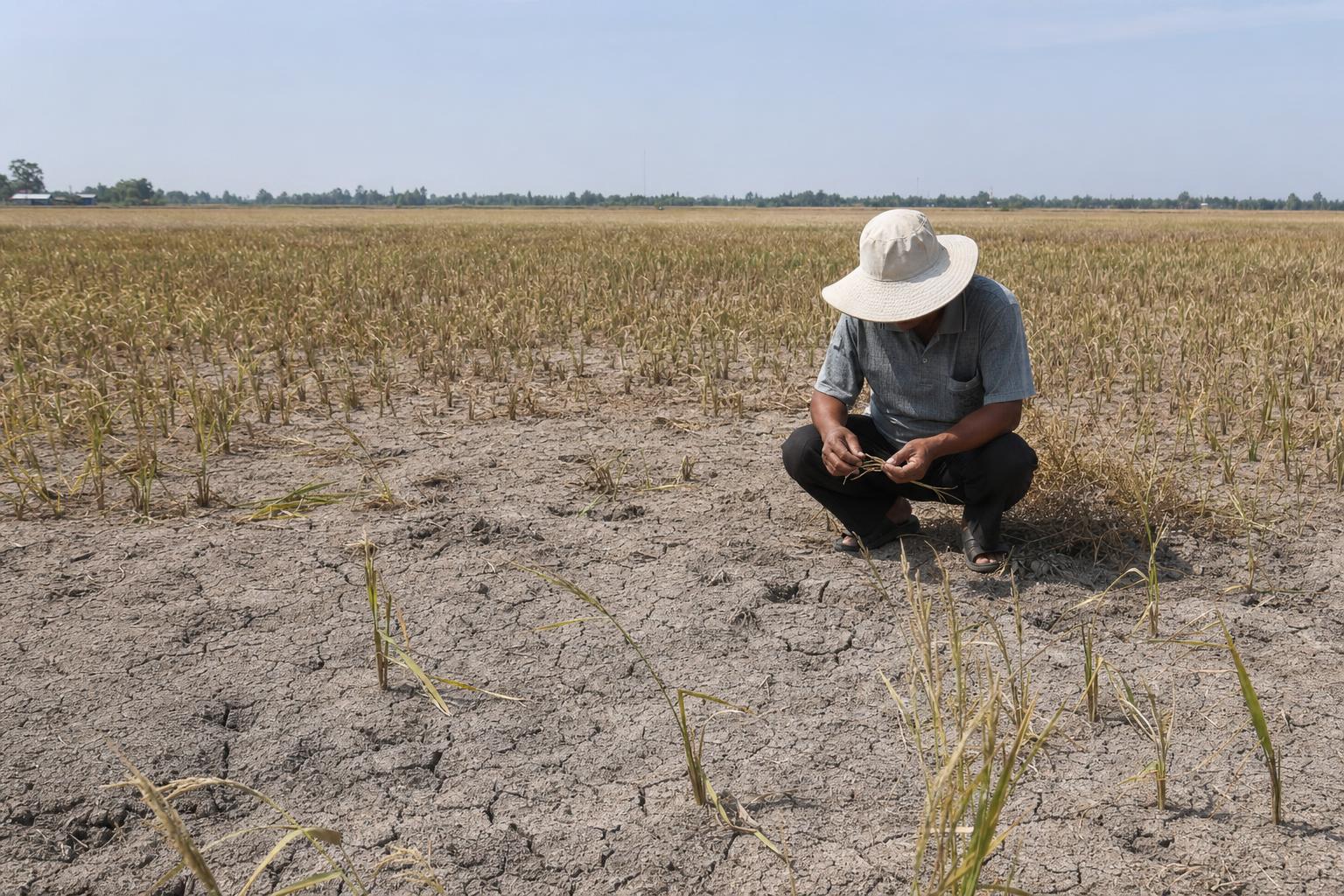
Leyte, a major agricultural region in the Visayas, has long depended on seasonal rainfall patterns that create uncertainty for crop production. Therefore, implementing modern irrigation infrastructure addresses a critical challenge that has historically limited farming output and farmer incomes. The integration of solar technology eliminates ongoing fuel costs, making the system economically sustainable for long-term operation.
Understanding Solar-Powered Irrigation Technology
How Solar Systems Enhance Water Management
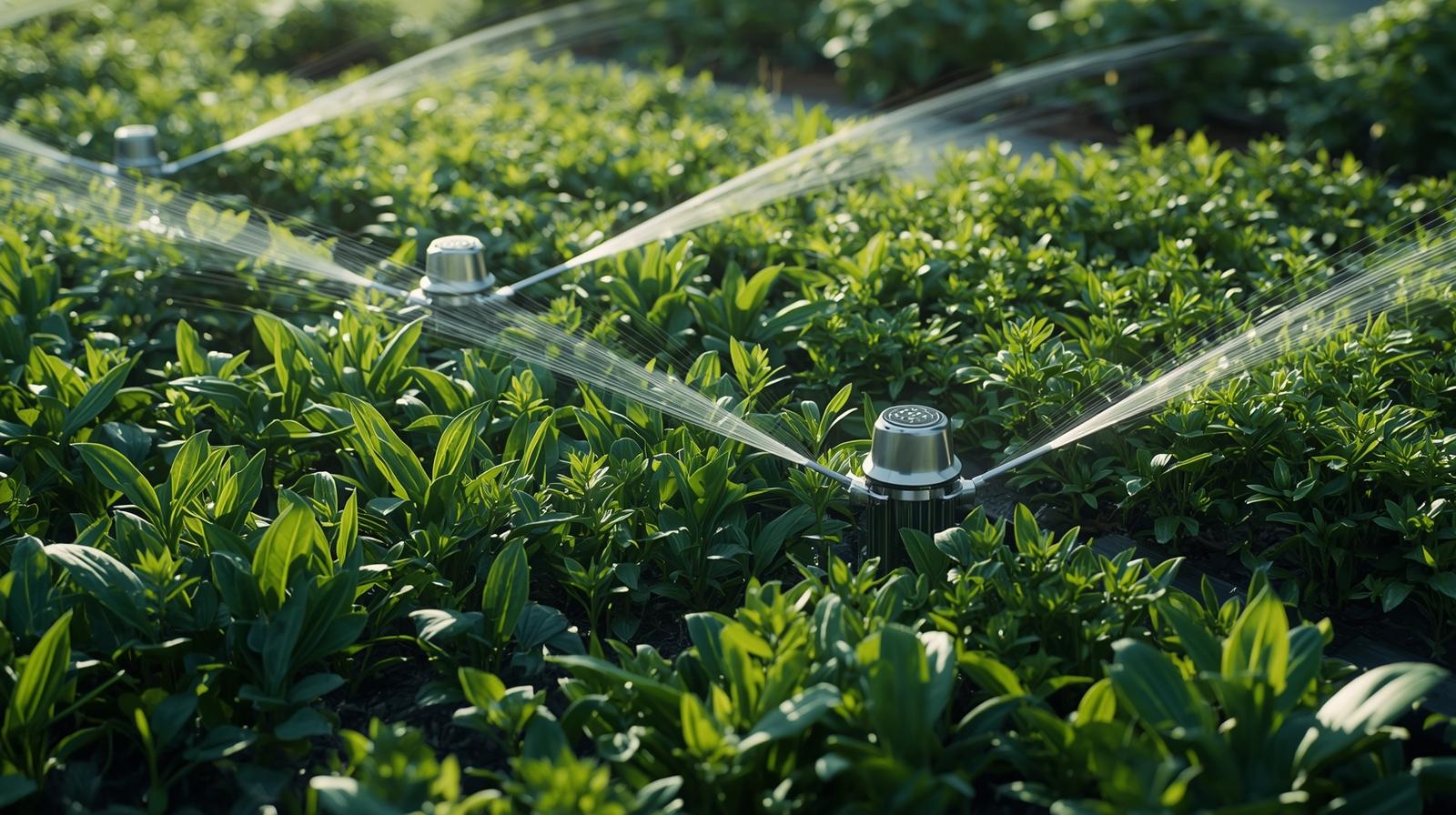
Solar-powered irrigation combines photovoltaic panels with water pumping systems to deliver consistent water supply to agricultural fields without relying on electricity grids or diesel generators. The technology operates through straightforward mechanisms: solar panels convert sunlight into electrical energy, which powers pumps that draw water from sources such as wells, rivers, or reservoirs. Consequently, farmers gain access to reliable irrigation during daylight hours when water demand typically peaks.
These systems offer several operational advantages for agricultural communities:
- Elimination of fuel expenses, reducing production costs significantly
- Minimal maintenance requirements compared to diesel-powered alternatives
- Quiet operation that doesn’t disturb surrounding communities
- Scalability to accommodate different farm sizes and water requirements
- Long operational lifespan of 25-30 years for solar panels
Environmental and Economic Benefits
Solar irrigation systems contribute to environmental sustainability by reducing greenhouse gas emissions associated with conventional farming practices. Because the technology relies on renewable solar energy, farmers lower their carbon footprint while maintaining productive operations. In addition, the transition away from diesel generators protects local water quality by preventing fuel contamination and reducing air pollution in agricultural areas.
Economically, the investment creates measurable benefits for farming households. With reduced operational costs, farmers redirect resources toward purchasing quality seeds, fertilizers, and equipment. Over time, this improved profitability encourages younger generations to pursue agricultural careers, addressing rural population decline and sustaining food production capacity.
Impact on Agricultural Productivity and Rural Development
Projects like the Kananga solar irrigation system enable farmers to practice year-round cultivation, moving beyond traditional seasonal farming patterns. This expanded growing capacity increases annual harvests and provides multiple income opportunities throughout the year. As a result, agricultural communities experience improved economic stability and reduced vulnerability to seasonal price fluctuations.
The infrastructure also positions rural areas as attractive locations for agricultural investment and business development. When farmers gain access to reliable irrigation, agribusinesses and processing facilities become more likely to establish operations in these regions, creating employment opportunities beyond farm production.
Supporting the Philippines’ Broader Sustainability Goals
This irrigation project aligns with national commitments to renewable energy expansion and agricultural modernization. The Philippines has established ambitious targets for clean energy adoption, recognizing that rural electrification and agricultural applications represent significant opportunities for solar technology deployment. Meanwhile, initiatives like solar-powered irrigation demonstrate practical solutions that connect environmental objectives with tangible improvements in rural living standards.
Government support for such infrastructure projects signals commitment to balancing development with environmental stewardship. By investing in systems that enhance both productivity and sustainability, policymakers create pathways for rural communities to prosper without exacerbating climate challenges.
Looking Forward: Scaling Solar Solutions Across Agriculture
The success of projects in Leyte and similar regions provides evidence that solar irrigation can be effectively implemented across diverse Philippine landscapes. Scaling these systems requires continued investment, technical support for farmers, and financing mechanisms that make adoption accessible to smallholder operations.
For more information about this infrastructure development, details about the Kananga solar irrigation inauguration provide additional context on the project’s scope and significance.
Solar-powered irrigation exemplifies how technology-driven solutions can address interconnected challenges of food security, energy sustainability, and rural development. As the Philippines continues expanding such initiatives, agricultural communities gain the tools necessary to build resilient, productive farming systems prepared for future challenges.