Zimbabwe’s sugar industry faces mounting pressure to modernize its water management practices as climate concerns intensify. Industry stakeholders are advocating for a comprehensive transition away from traditional furrow irrigation methods toward more efficient technologies, particularly centre pivot and drip irrigation systems. This shift comes as the sector grapples with the potential impacts of El Niño weather patterns on water availability and crop productivity.
Traditional Irrigation Challenges in Zimbabwe’s Sugar Sector
Furrow irrigation has long served as the dominant water delivery method for sugar cultivation in Zimbabwe. However, this conventional approach presents significant limitations in an increasingly water-stressed environment. The method relies on gravity-fed water channels running between crop rows, which inherently wastes substantial quantities of water through evaporation and runoff.
As climate variability becomes more pronounced, the inefficiencies of furrow systems threaten the sector’s long-term sustainability. Water losses during peak growing seasons can reach substantial percentages, straining both agricultural resources and regional water supplies already under pressure from competing demands.
Modern Irrigation Technologies Offer Solutions
Centre Pivot Systems
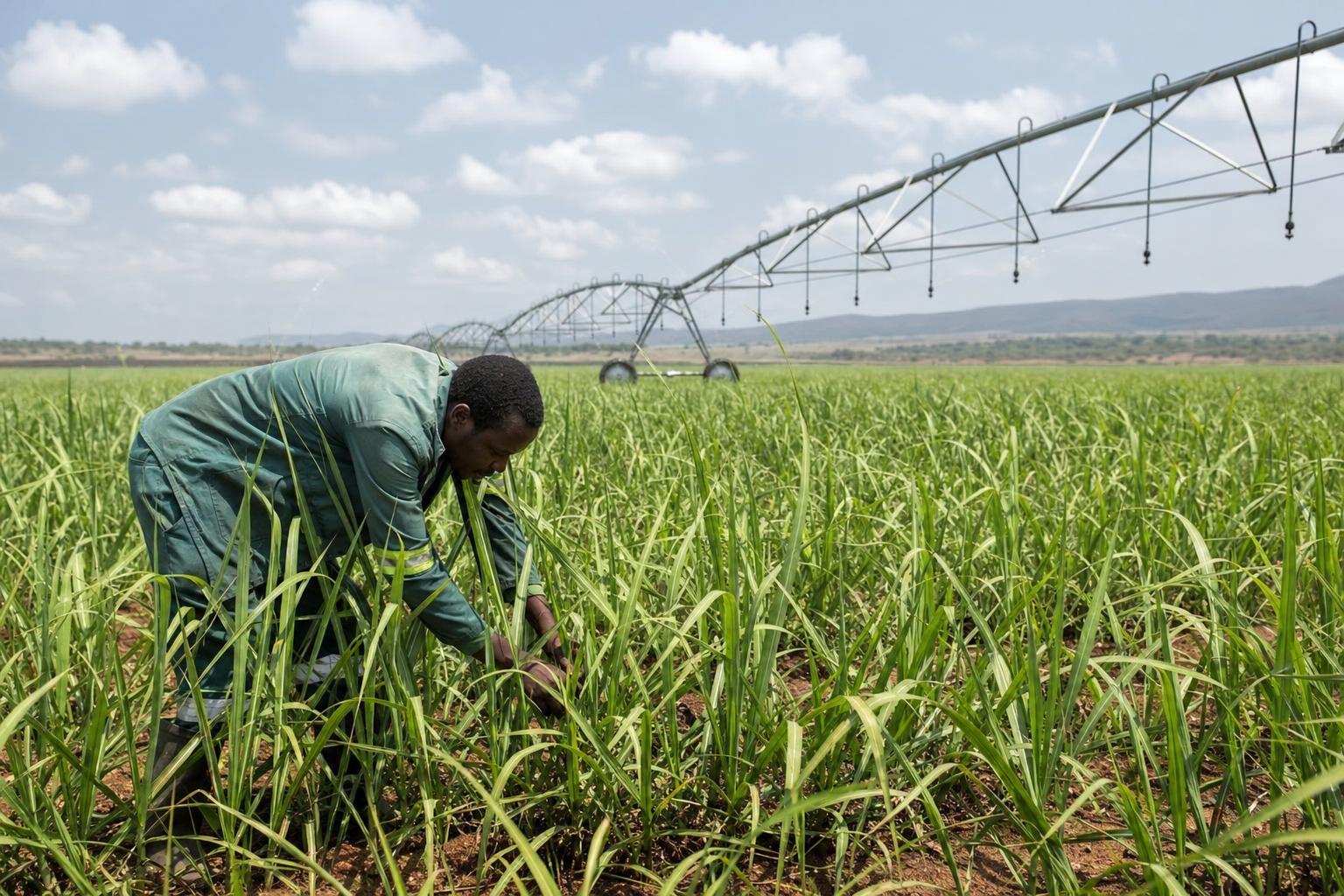
Centre pivot irrigation represents a significant technological advancement for large-scale sugar operations. These mechanized systems distribute water evenly across circular or semi-circular field patterns, dramatically improving water use efficiency compared to traditional methods. The technology allows for precise application rates and reduces water waste significantly.
Drip Irrigation Benefits
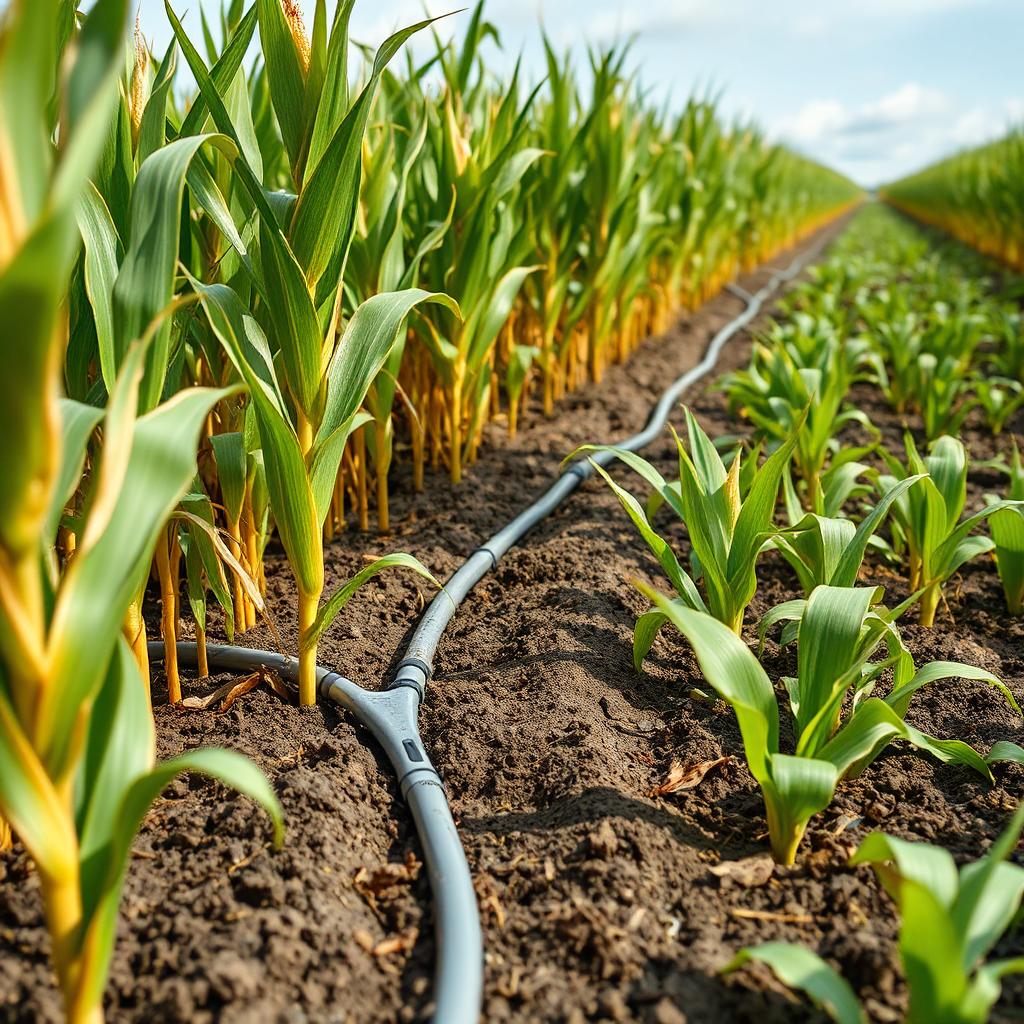
Drip systems deliver water directly to plant root zones through networks of tubes and emitters. This targeted approach offers several advantages:
- Minimizes water evaporation losses
- Reduces fertilizer runoff and environmental contamination
- Allows for precise nutrient delivery
- Improves overall crop yield and quality
- Requires less labor for operation and maintenance
El Niño Concerns and Climate Variability
El Niño weather patterns present unpredictable challenges for agricultural planning in southern Africa. These climate oscillations can trigger irregular rainfall patterns, prolonged dry spells, and temperature fluctuations that disrupt traditional growing cycles. Zimbabwe’s sugar industry recognizes that adapting irrigation infrastructure now provides a buffer against potential future water scarcity.
The shift toward efficient irrigation technologies aligns with broader climate adaptation strategies for the region’s agricultural sector.
Industry Push for Modernization
Key industry participants are actively encouraging sugar producers to accelerate adoption of modern irrigation methods. This advocacy reflects recognition that maintaining competitive productivity requires investment in water-efficient infrastructure. The transition addresses both immediate efficiency gains and longer-term climate resilience objectives.
Implementation challenges include capital investment requirements, technical training needs, and infrastructure development timelines. Despite these obstacles, industry leaders emphasize that early adoption positions operations favorably for emerging water scarcity scenarios.
Conclusion
Zimbabwe’s sugar industry stands at a critical juncture regarding water management sustainability. The transition from furrow irrigation to centre pivot and drip systems represents not merely a technological upgrade, but a strategic adaptation to contemporary environmental and climatic realities. As El Niño concerns persist and water resources face increasing pressure, modernizing irrigation infrastructure offers the sector a pathway toward enhanced productivity, resource conservation, and operational resilience for years to come.