
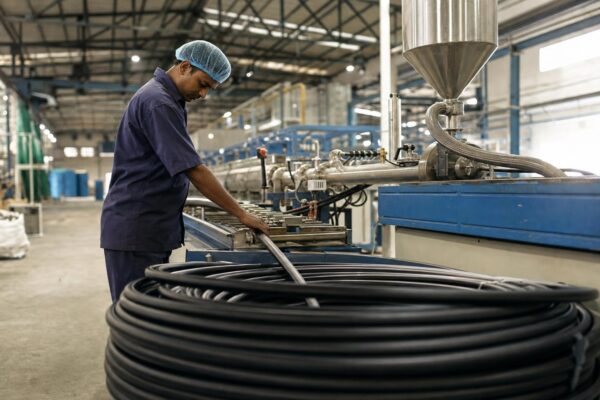
India’s Drip Irrigation Manufacturing Plant: A Profitable Opportunity
Drip irrigation systems manufacturing plant setup in India: complete investment analysis with capital costs, profit margins, returns, and payback period data.
Drip irrigation systems manufacturing plant setup in India: complete investment analysis with capital costs, profit margins, returns, and payback period data.
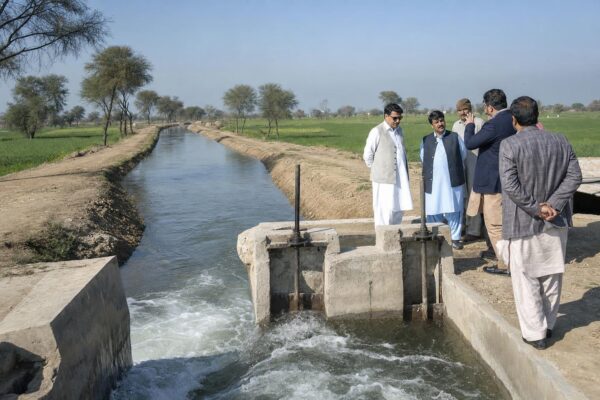
Nepal government accelerates irrigation projects, expanding coverage to 3,815 hectares of farmland and advancing flood-control infrastructure.
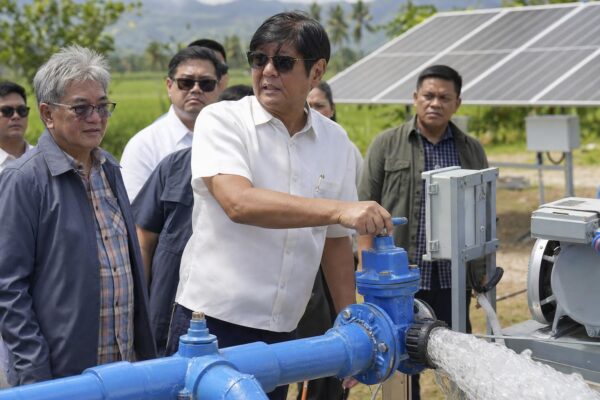
Philippines’ solar irrigation system in Leyte improves farm productivity, reduces production costs, and supports sustainable agriculture for rural communities.
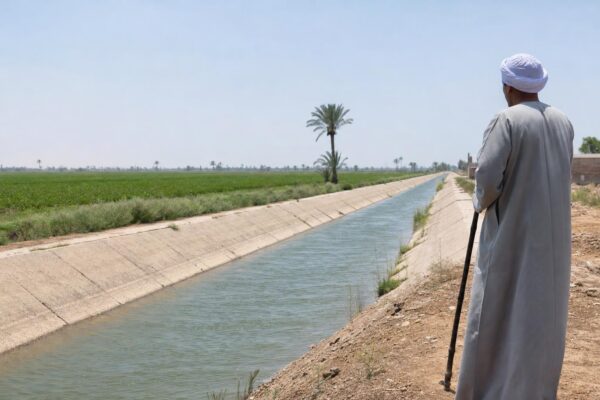
Egypt’s strategy for water security combines irrigation modernization, wastewater recycling, and desalination to address national scarcity.
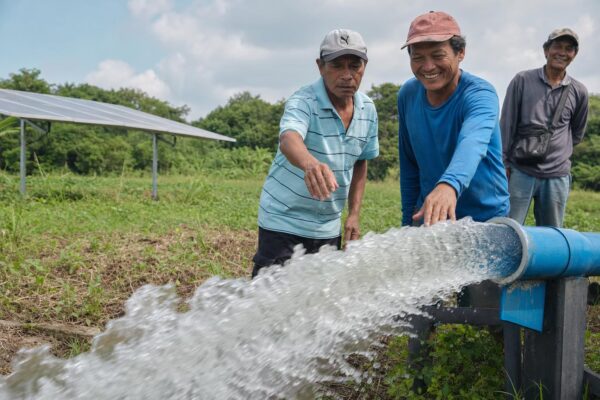
Floridablanca hands over a solar-powered irrigation system to Barangay Carmencita farmers, reducing costs and promoting sustainable agricultural practices throu
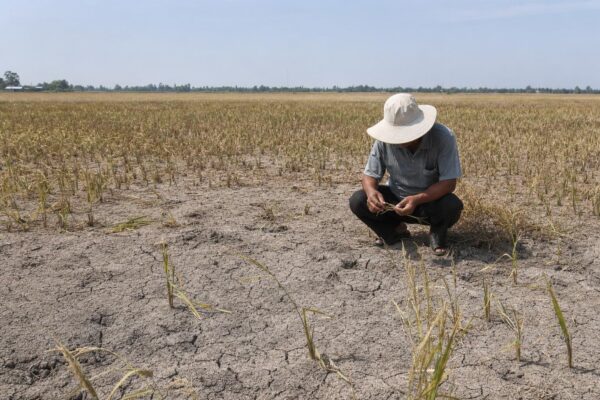
Vietnam’s agricultural sector faces major environmental threats during the 2026-2027 Winter-Spring season, with 424,800-502,300 hectares at risk from drought, s
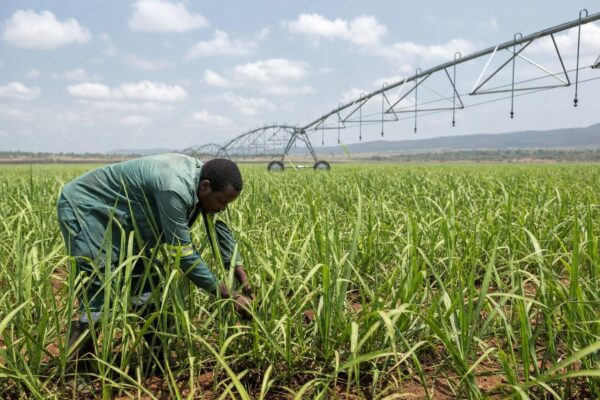
Zimbabwe’s sugar industry faces mounting pressure to modernize its water management practices as climate concerns intensify. Industry stakeholders are advocating for a comprehensive transition away from traditional furrow irrigation methods toward more efficient technologies, particularly centre pivot and drip irrigation systems. This shift comes as the sector grapples with the potential impacts of El Niño…

The microirrigation systems market is experiencing a significant surge in demand, driven by various factors including increasing water scarcity, growing population, and the need for efficient agricultural practices. By 2030, the market is anticipated to witness notable growth, making it a key area of interest for investors and agriculture stakeholders alike. Market Overview According to…

Kenya’s agricultural landscape is being transformed as solar power gains traction, particularly among women farmers. These innovations represent a critical intersection of energy, agriculture, and gender equity. The push for solar integration into farming practices aims to enhance productivity, deliver economic opportunities, and uplift rural communities across the nation. Why Solar Power? The need for…