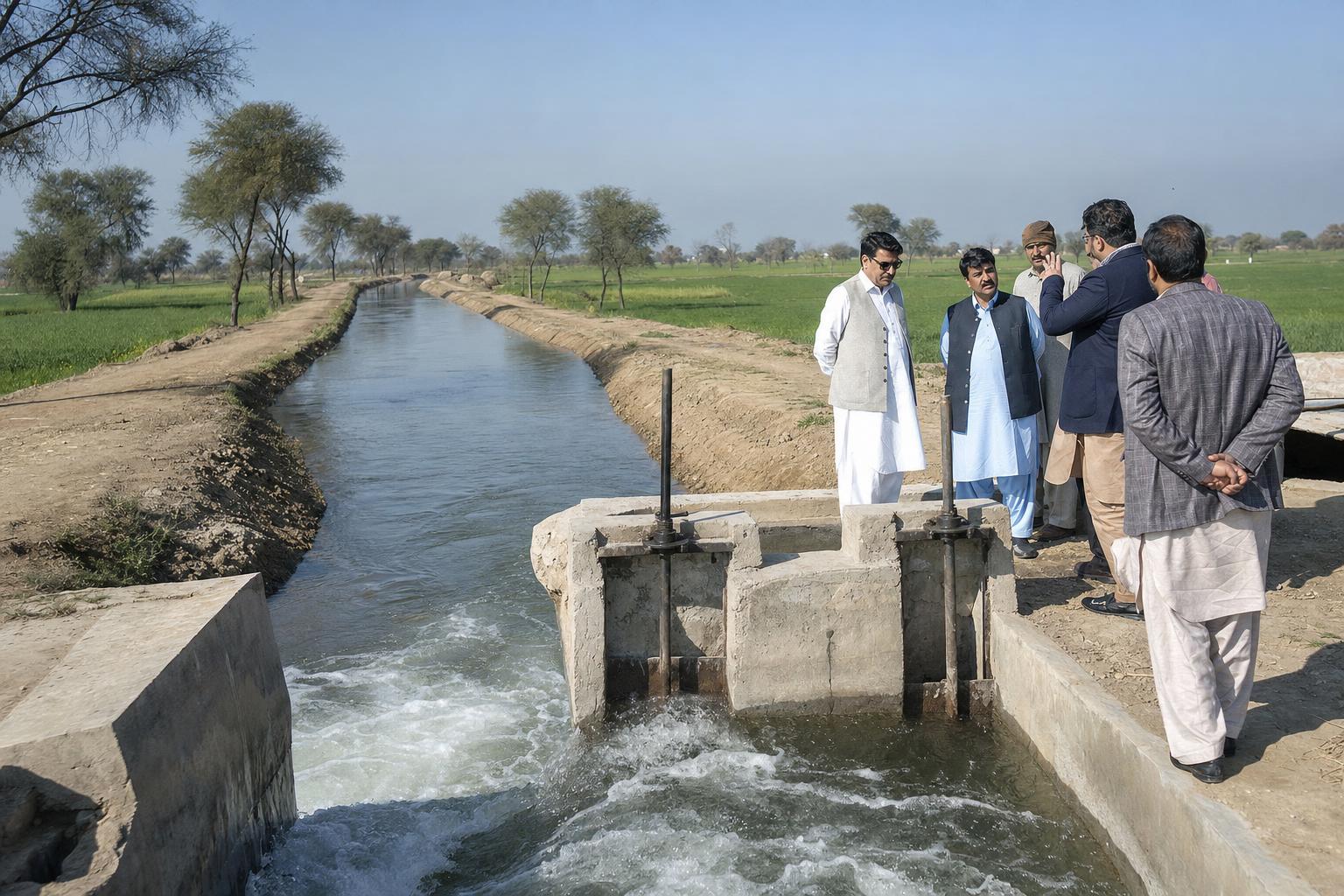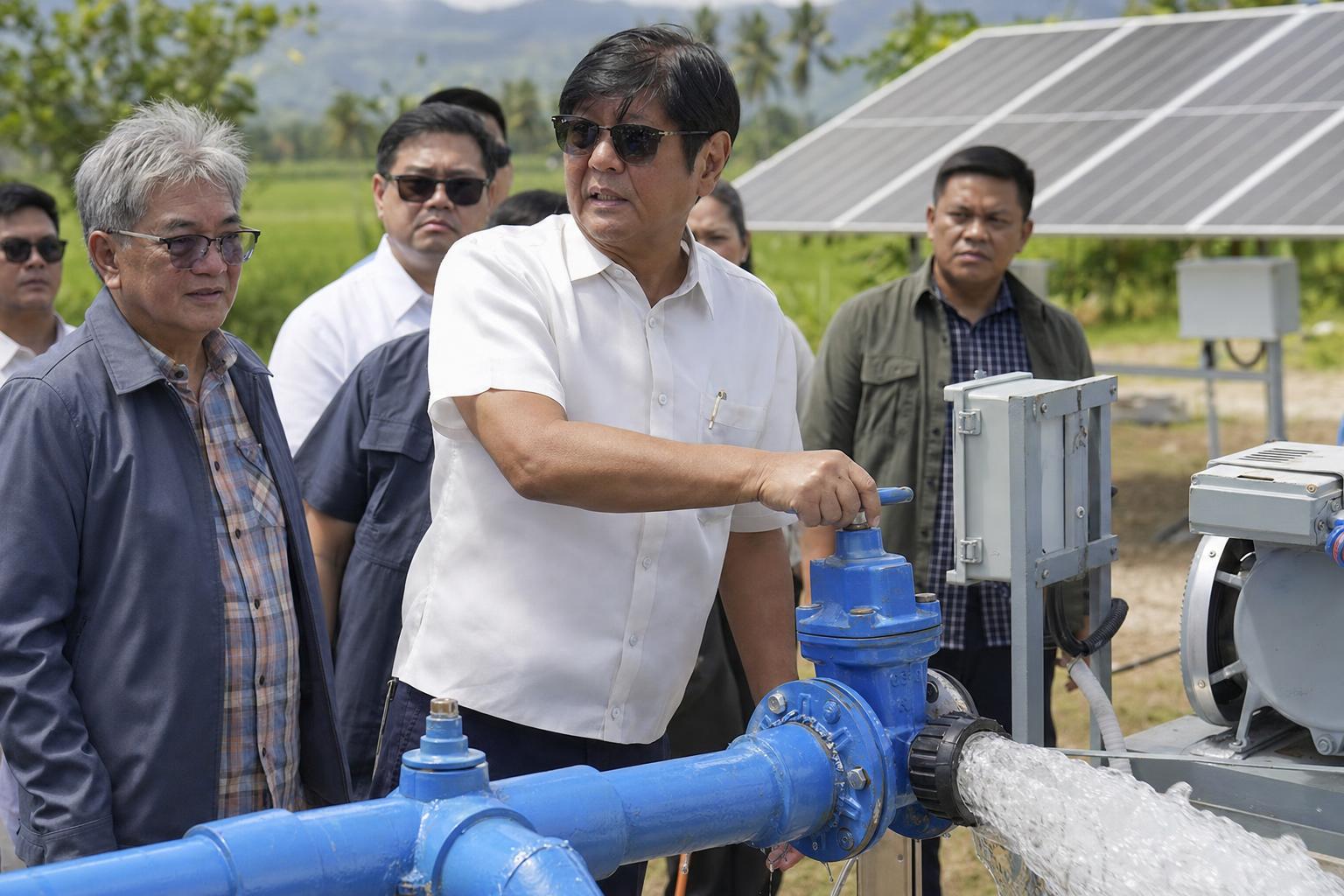
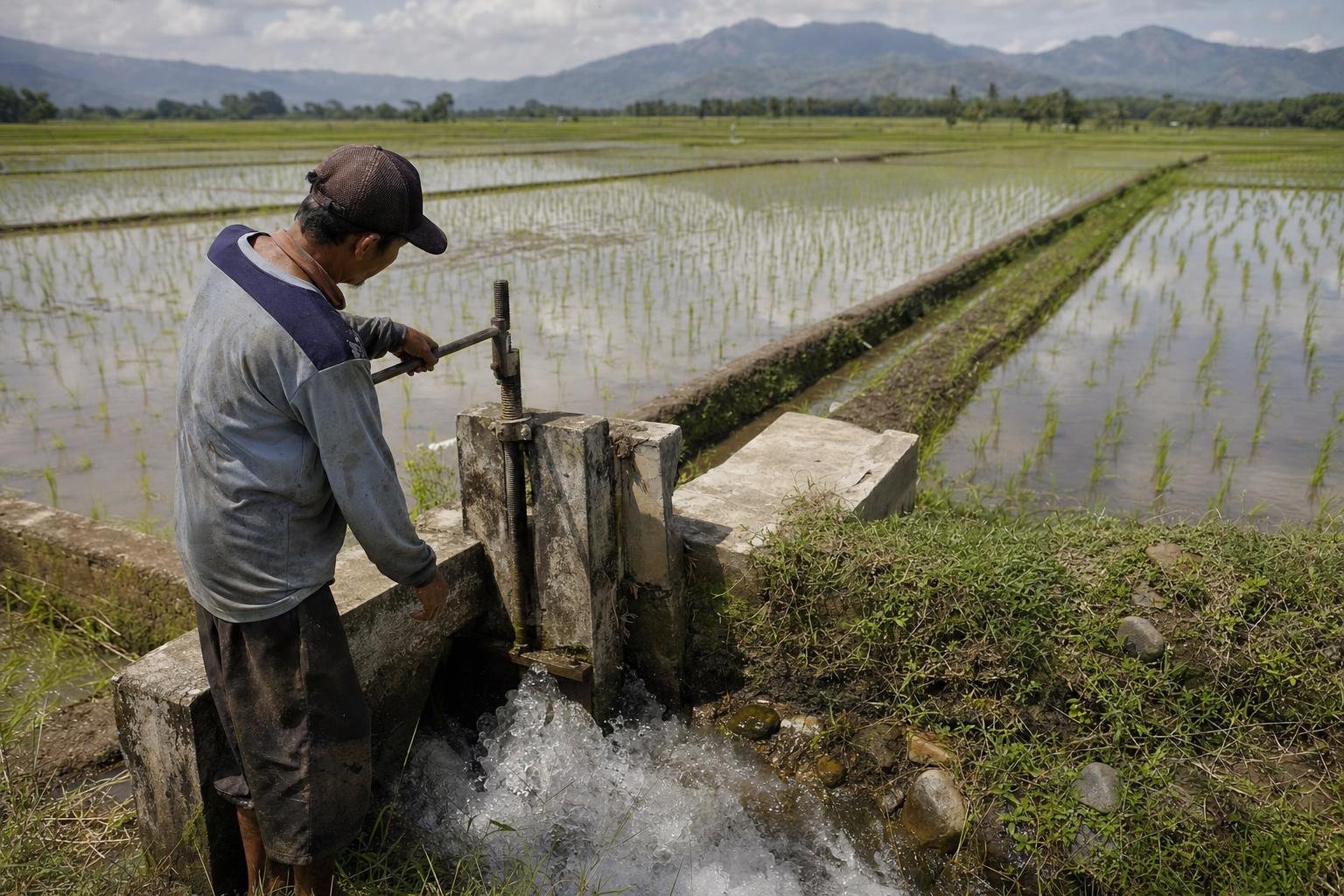
Indonesia’s Public Works and Agriculture ministries are strengthening irrigation infrastructure to sustain the country’s food self-sufficiency, Public Works Minister Dody Hanggodo said in Jakarta on Tuesday, November 24, 2026. He spoke to reporters after a closed-door meeting with Agriculture Minister Andi Amran Sulaiman. The ministries aim to improve water supplies, boost farm productivity and enable more frequent harvests.
Dams without irrigation networks
Dody said Amran had identified infrastructure priorities since the beginning of the administration, particularly dams that lacked connecting irrigation networks. Dody said his commitment since joining the government has been to focus on agriculture, particularly food self-sufficiency.
He said the coordination aims to ensure that President Prabowo Subianto’s food self-sufficiency program continues beyond a single year. The achievement should not last for one year and then disappear, he said; it “must continue in 2026, 2027 and beyond.”
Dody described irrigation development as one of the Public Works Ministry’s main contributions to the agricultural sector. He also credited Amran’s guidance during the recent extreme El Niño conditions and the hydrometeorological disasters that affected Aceh, West Java and Flores.
More harvests per year
The latest meeting focused on identifying additional irrigation needs to improve water availability and increase cropping intensity. Dody said the ministers looked at what else is needed “so that farmers can harvest not just once a year, but two or even three times.”
The coordination between the two ministries is part of the government’s efforts to sustain food self-sufficiency through higher agricultural production and improved irrigation infrastructure. Reliable water supplies are expected to help optimize farmland use and maintain domestic food production in the years ahead.
Drought response and rice stocks
Amran welcomed the Public Works Ministry’s swift response to irrigation needs, particularly during the drought conditions associated with the extreme El Niño. He said the two ministers discussed irrigation, including community irrigation systems, and that reports from the field showed Indonesia had just experienced a drought. “His response was very swift,” Amran said of Dody.
Amran said that support had helped Indonesia weather the extreme El Niño conditions and maintain its food supply as the weather phenomenon approached its end. He also reported that national rice stocks stand at around 4.5 million metric tons, approximately three times the 1.5 million tons recorded before the Prabowo administration.
Source: Antara News, November 24, 2026