Water scarcity represents one of the most pressing challenges facing nations across the Middle East and North Africa, and Egypt stands at the forefront of this crisis. The country, where approximately 96 percent of its population depends on the waters of the Nile River, faces mounting pressure from population growth, climate change, and regional competition for resources. In response, Egypt has positioned water security as a cornerstone of its national development strategy, recognizing that sustainable access to freshwater is essential not only for agriculture and drinking water but also for economic growth and social stability.
Why Water Security Matters for Egypt’s Future
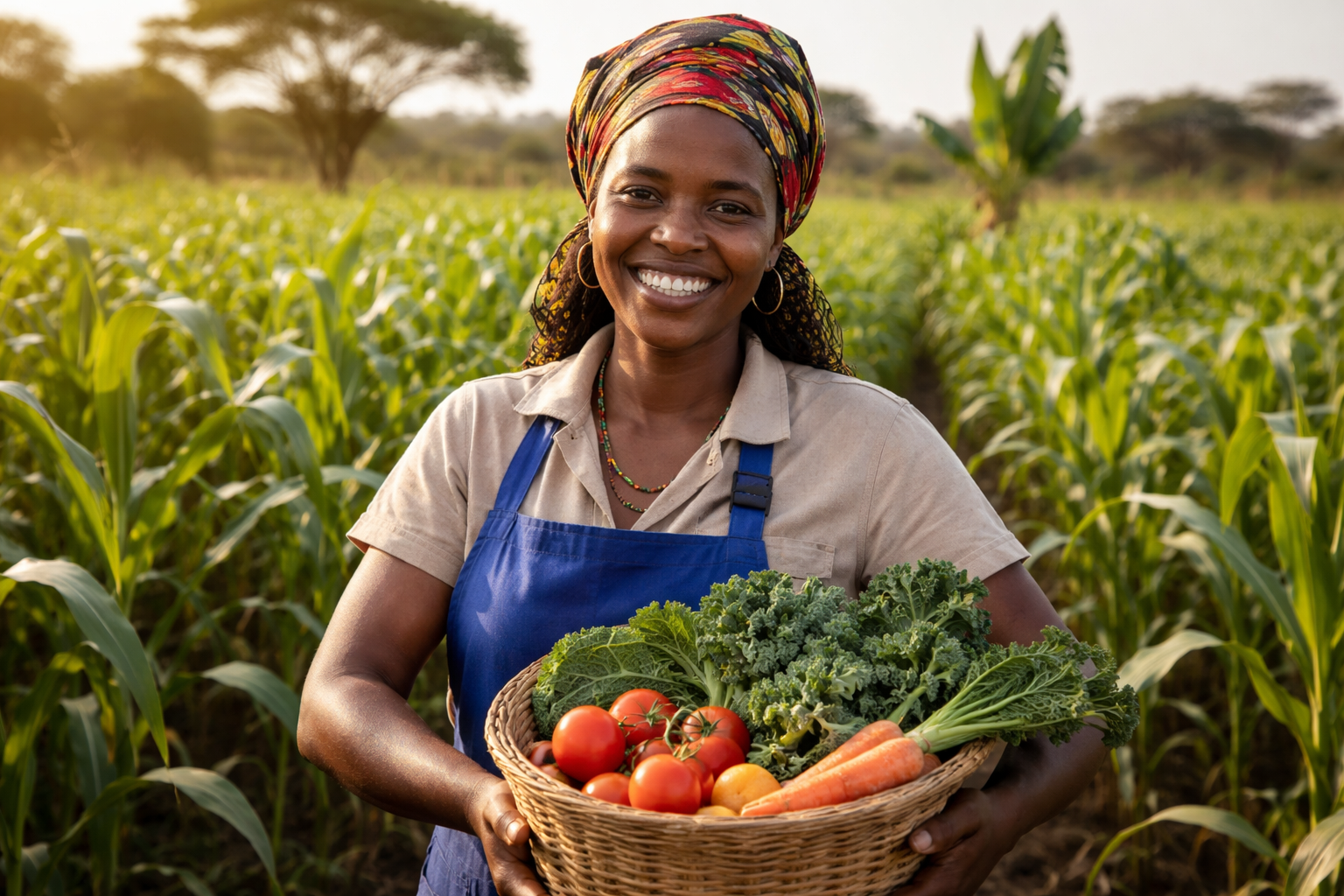
Egypt’s relationship with water extends far beyond simple necessity; it shapes every aspect of the nation’s economy, food security, and geopolitical standing. With a rapidly expanding population projected to exceed 150 million people within the coming decades, the demand for water continues to intensify. The agricultural sector alone consumes the vast majority of available freshwater resources, yet farming remains a vital source of employment and livelihood for millions of rural Egyptians.
The stakes are equally high from a development perspective. Access to reliable water supplies directly influences industrial capacity, energy production, and the ability to attract international investment. Therefore, integrating water security into broader development planning is not merely a technical consideration but a strategic imperative that affects Egypt’s economic trajectory and international competitiveness.
The Critical Role of the Nile
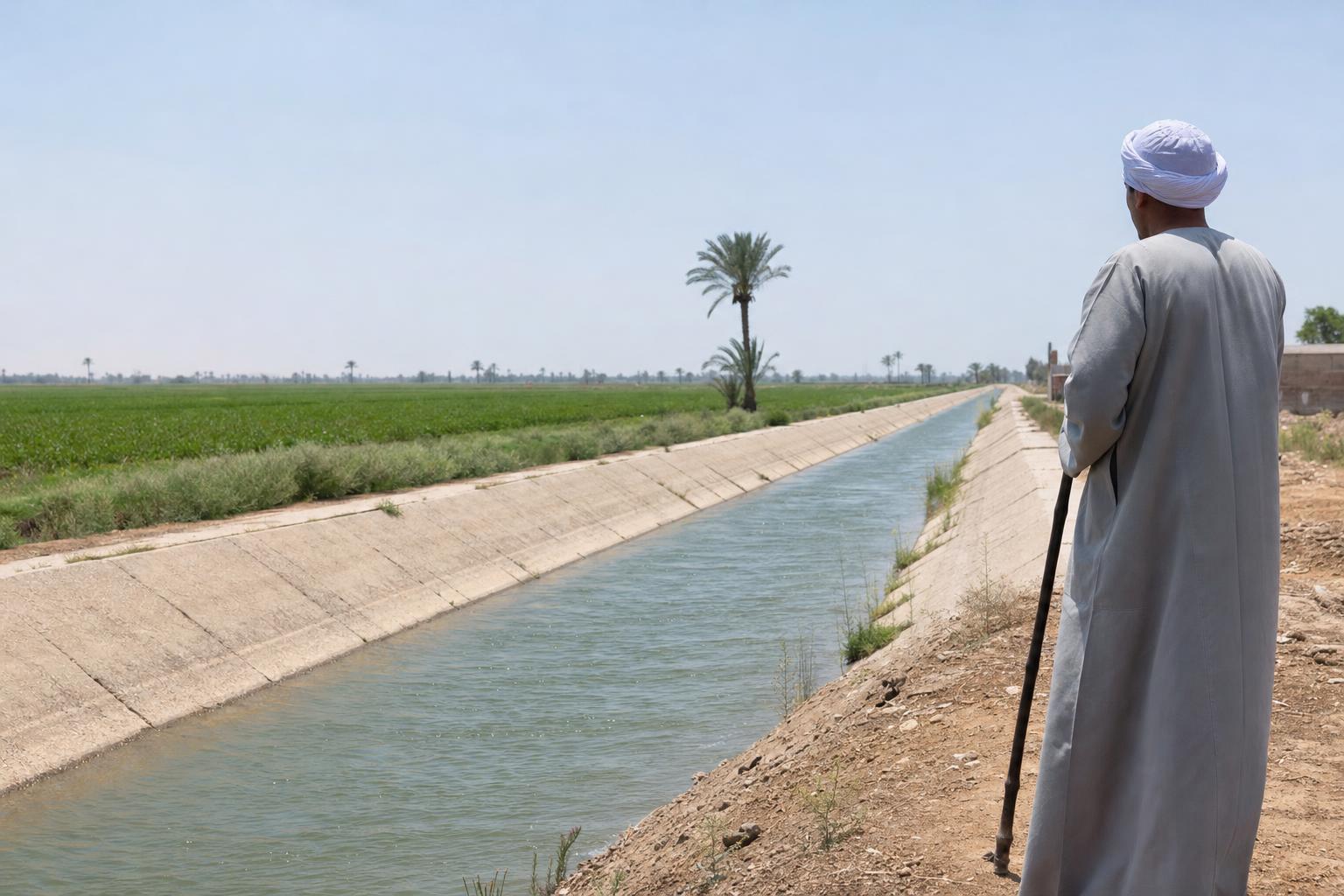
The Nile River has served as the lifeblood of Egyptian civilization for millennia, yet its flows have become increasingly uncertain. Because upstream dam construction and competing demands from other nations affect water availability, Egypt cannot rely solely on historical patterns. This reality has prompted policymakers to explore diversified water sources and improved management practices that maximize existing supplies.
Climate Challenges Facing the Region
Climate change intensifies these pressures through changing precipitation patterns, rising temperatures, and increased evaporation rates. As a result, Egypt must prepare for a future where water availability may be significantly reduced, making proactive adaptation strategies essential rather than optional.
Strategic Approaches to Water Security
Recognizing the urgency of the situation, Egypt has developed a comprehensive strategy that addresses water challenges through multiple complementary approaches. The Egypt Forum 2026 initiative brings together stakeholders to advance these priorities, emphasizing practical solutions that balance immediate needs with long-term sustainability.
Modernizing Irrigation Systems
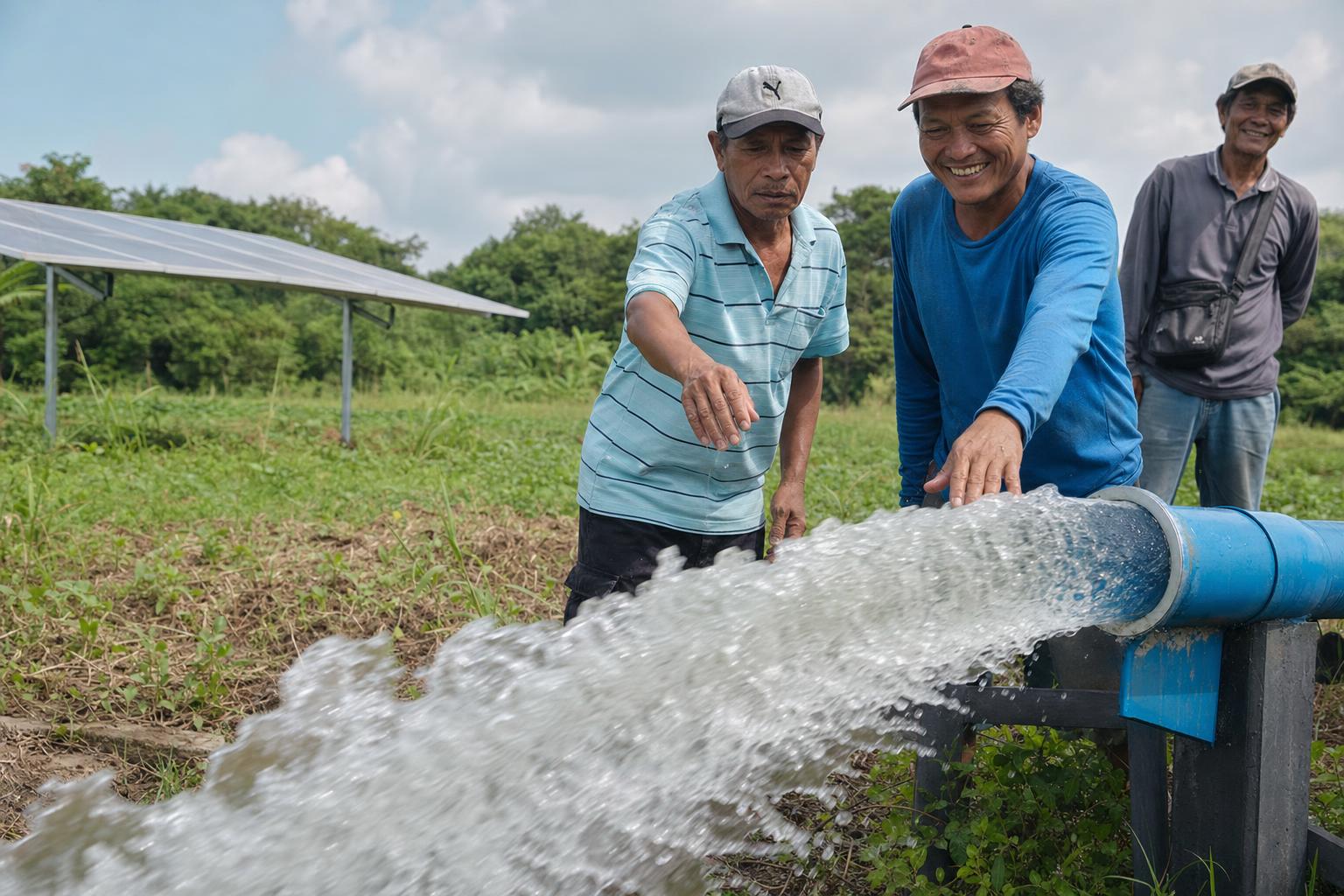
Agriculture accounts for roughly 80 percent of Egypt’s water consumption, making irrigation efficiency a critical focus area. Traditional flood irrigation methods waste significant quantities of water through evaporation and runoff. Modern irrigation technologies, including drip irrigation and precision sprinkler systems, deliver water directly to plant roots while dramatically reducing waste.
Investment in these upgrades serves multiple purposes: maintaining agricultural productivity while consuming less water, reducing the financial burden on farmers through lower water fees, and freeing up resources for other sectors. However, transitioning to new technologies requires substantial capital investment and farmer education, which explains why this remains an ongoing effort rather than a quick fix.
Wastewater Treatment and Reuse
Treating and recycling wastewater represents an often-underutilized approach to expanding available water supplies. In addition to conventional treatment for direct reuse, recycled wastewater can irrigate non-food crops and support industrial processes. This approach transforms what would otherwise be a disposal problem into a valuable resource, effectively creating new water supplies without drawing additional freshwater from stressed natural sources.
Expanding Desalination Capacity
With 1,000 kilometers of Mediterranean coastline, desalination offers Egypt access to virtually unlimited supplies of water. Although desalination historically required significant energy input, technological advances and renewable energy integration have made it increasingly economically viable. Coastal regions and cities can particularly benefit from expanded desalination infrastructure, reducing pressure on inland freshwater reserves.
Building Climate Resilience
Beyond individual water projects, Egypt is developing broader climate resilience frameworks that prepare the nation for environmental uncertainty. These efforts recognize that water security is inseparable from climate adaptation, ecosystem protection, and sustainable development goals.
Egypt’s integrated approach to water security demonstrates how nations facing acute resource challenges can develop multifaceted strategies that combine infrastructure investment, technological innovation, and policy reform. By prioritizing water security within national development planning, Egypt is taking concrete steps toward a more sustainable and prosperous future.