In agricultural settings, the efficiency of irrigation systems significantly impacts crop yields. A recent advisory emphasizes the importance of renewing drip irrigation systems every two years to ensure sustainable and effective water distribution. This article explores the rationale, processes, and benefits of timely upkeep for your drip systems.
Understanding Drip Systems
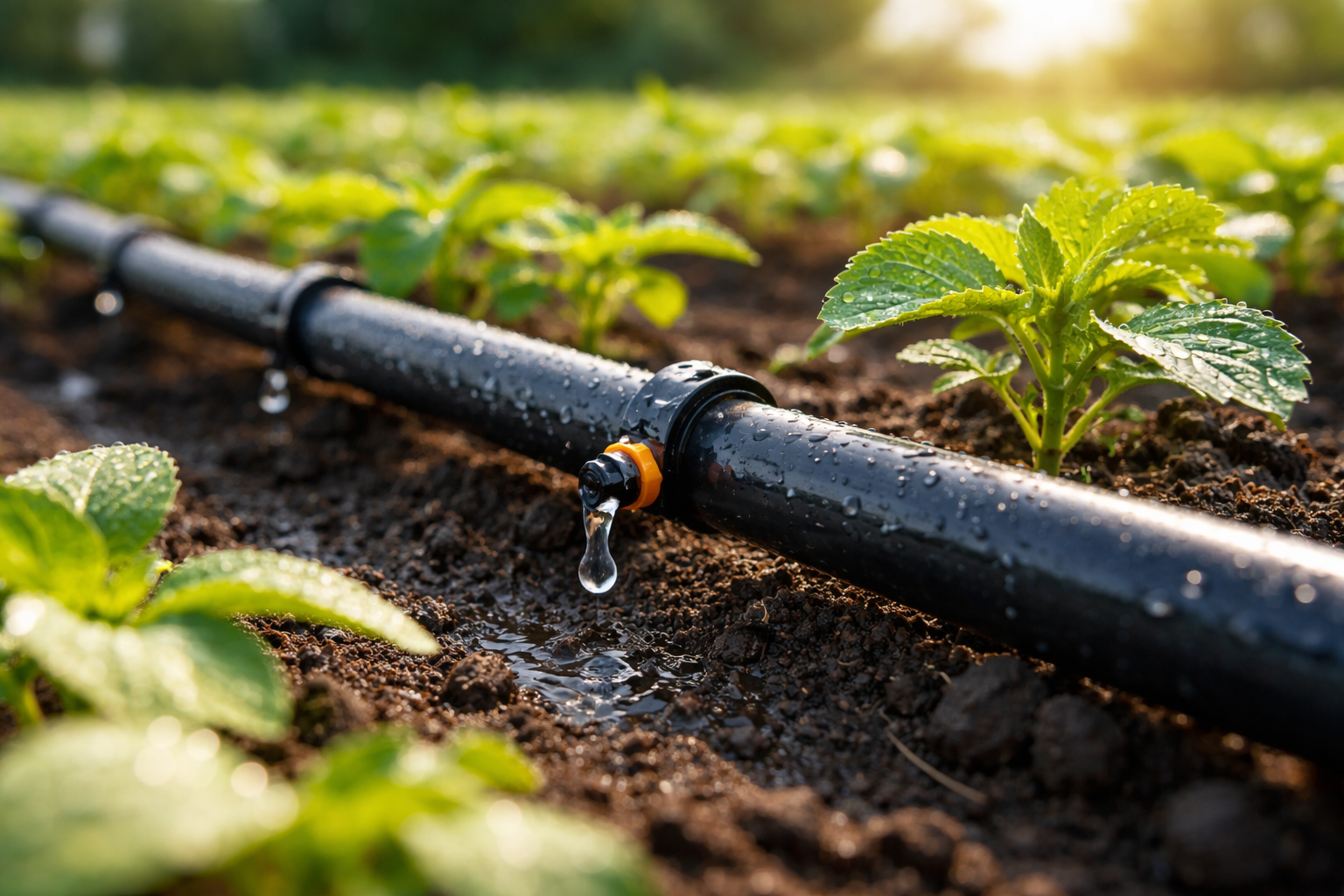
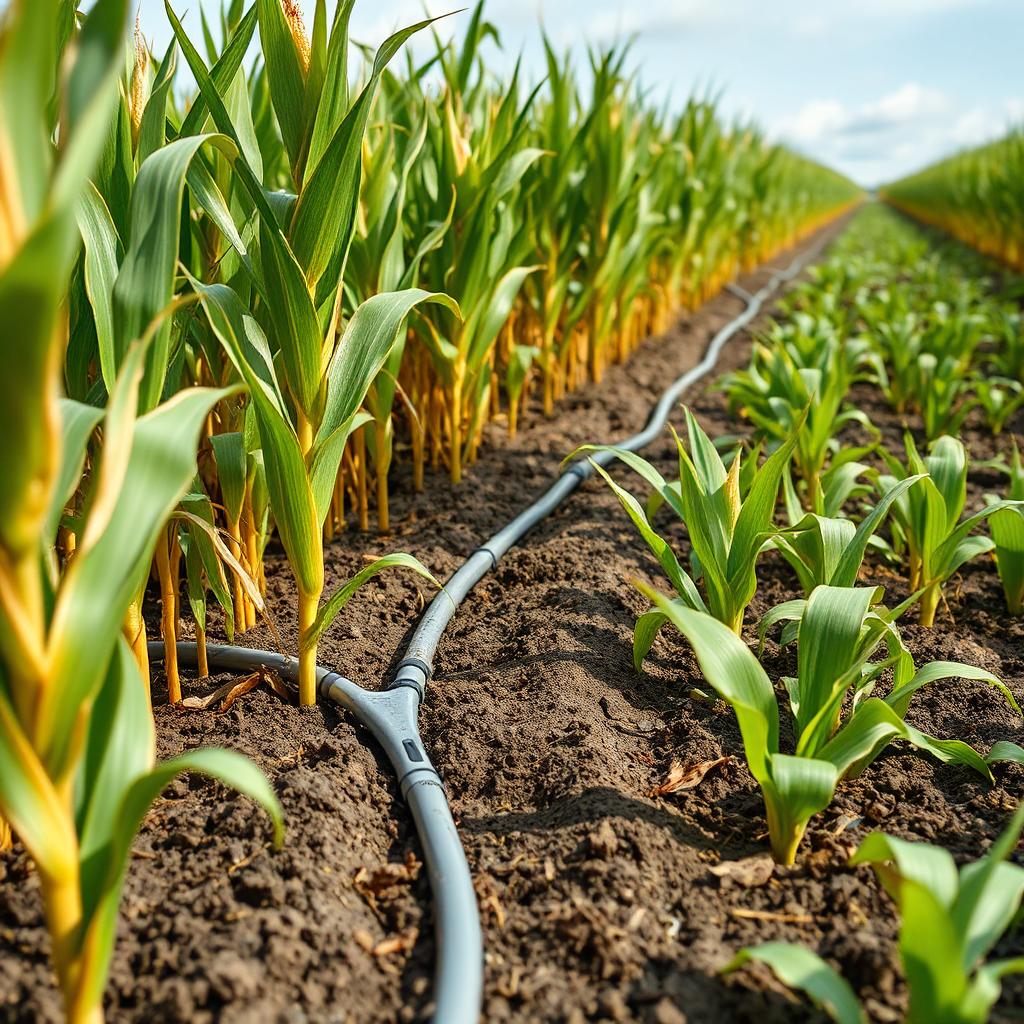
Drip irrigation systems deliver water directly to the plant roots, maximizing moisture retention and minimizing waste. As they play a crucial role in modern agriculture, understanding when and why to maintain them is vital for all producers. According to agricultural experts, routine maintenance not only enhances performance but also significantly increases crop production.
Why Renew Drip Systems Every Two Years?
Renewing drip systems every two years is primarily recommended due to the following factors:
- Wear and Tear: Exposure to elements causes physical degradation in hoses, emitters, and connectors.
- Clogging: Over time, mineral deposits and organic material can clog drip lines, significantly reducing efficiency.
- Technological Advancements: Newer materials and technologies can offer better performance and water-saving features.
According to recent studies from agricultural extension services, delayed maintenance can lead to up to a 30% drop in irrigation efficiency over a two-year period, directly affecting yield outcomes.
Indicators of System Degradation
Growers should monitor several indicators that suggest it might be time to renew their drip systems:
- Visible wear or cracking of hoses and fittings
- Inconsistent water distribution across the field
- Frequent clogging in emitters
- Increased water usage without a corresponding increase in yield
Recognizing these signs can significantly impact the long-term viability of agricultural practices.
Steps for Renewing Your Drip System
Renewing your drip system involves a structured approach to ensure that your irrigation setup is functioning optimally:
1. Assessment
Initially, conduct a comprehensive assessment of your current system. Look for any physical damages, leaks, or areas where water might not be reaching plants effectively.
2. Replacement of Components
Once the assessment is complete, replace worn-out components. Commonly replaced items include:
- Drip tapes and hoses
- Emitters with improved flow rates
- Valves and connectors
3. Cleaning and Flushing
After replacing parts, thoroughly clean the system. Flushing out lines can remove any accumulated debris that may hinder efficiency.
4. Evaluation of New Technologies
If feasible, consider integrating new technologies such as moisture sensors and automated controls which can improve both efficiency and ease of management.
Timing for Renewal
The optimal time for renewing drip irrigation systems is at the end of the growing season or just before the start of a new plant cycle. This timing allows farmers to maximize the effectiveness of the system without disrupting existing crop yields.
Benefits of Regular Maintenance
Maintaining and renewing drip systems brings numerous advantages, contributing to both short-term and long-term agricultural success:
- Improved Water Efficiency: Renewed systems reduce water waste and provide consistent moisture, leading to healthier crops.
- Enhanced Yield: Properly functioning irrigation systems can boost crop yield significantly, with some studies showing increases of 10% to 20%.
- Cost Savings: Regular maintenance reduces the likelihood of costly repairs and unexpected water bills.
Environmental Impact
Transitioning to a well-maintained drip irrigation system not only benefits farmers but also has a positive environmental impact. Efficient water use conserves precious resources, supports sustainable farming practices, and fosters responsible land management.
By implementing the advice to renew drip systems every two years, growers can reduce their ecological footprints and contribute to the global challenge of sustainable agriculture.
Conclusion
In summary, renewing drip irrigation systems every two years is essential for maximizing efficiency and maintaining high crop yields. Farmers and agricultural managers are encouraged to prioritize regular assessments and timely replacements of system components. As technology advances, integrating new tools can further enhance irrigation practices, leading to economic and environmental benefits.
For those committed to sustainable agriculture, investing time and resources in renewing drip systems will yield significant returns in both productivity and stewardship of water resources.